

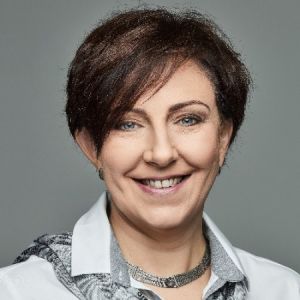
Dr Ewa Kosmala
Global Sustainability Director, Selena FM SA
Doctor of Civil Engineering, specialist in building physics with a holistic approach to sustainable construction. Accredited BREEAM International assessor; LEED GA and HQE referee, energy auditor holds the CEM international qualification of energy auditor in construction. She has more than 20 years of experience in Sustainability and Sustainable Construction. Expert on sustainability and ESG reporting. Member of the Council of Innovators of the Polish ESG Association, member of the sustainability committee of the FEICA international association. She is one of the key participants in the work of 5 PKN committees, including KT 307 on sustainable construction and leads international projects in this area.
Her passion is a holistic approach to the construction process and the building itself based on ESG values.
Decoding Raw Material Impact on the Carbon Footprint of Sustainable Sealants
The transition to more sustainable building and industrial materials requires a deeper understanding of the environmental footprint of sealants throughout the value chain. This presentation analyzes the environmental and carbon footprints of three major sealant technologies: acrylic, hybrid, and silicone with a particular focus on how raw material selection impacts overall product performance from a sustainability perspective. The analysis highlights the impact of individual formulation components on the product’s carbon footprint and broader environmental indicators, including the role of selected BASF raw materials in creating solutions with a lower environmental impact. By comparing alternative raw material choices and formulation strategies, the presentation demonstrates how manufacturers can actively manage and reduce the environmental footprint of sealants without compromising technical and performance parameters. The main focus is on practical approaches to managing the carbon footprint at the product level: selecting raw materials with lower carbon emissions, optimizing formulations, and using reliable environmental data to support the decision-making process. It also demonstrates how such improvements can benefit end customers, particularly through the reduction of Scope 3, Cat. 1 emissions. Furthermore, it addresses how to credibly communicate sustainability benefits to customers. A benefits oriented communication approach is proposed that translates technical environmental improvements into customer value, while avoiding oversimplification and greenwashing. The goal is to demonstrate how transparent, data-driven sustainability communications can support both regulatory compliance and market differentiation. Overall, it provides a practical framework for developing and promoting more sustainable acrylic, hybrid, and silicone sealants by combining expertise in formulation, environmental footprint management, and responsible communication with customers.
Co-author:
Marco Schmidt Senior Technical Marketing Manager, Technical Sales Polymer Dispersions for Architectural Coatings & Construction, Europe
Breakout IV – From Evidence to Impact: Future-Proofing Industry – 16 September 2026 – 16:00 – 16:30 – Room Mountbatten – F6